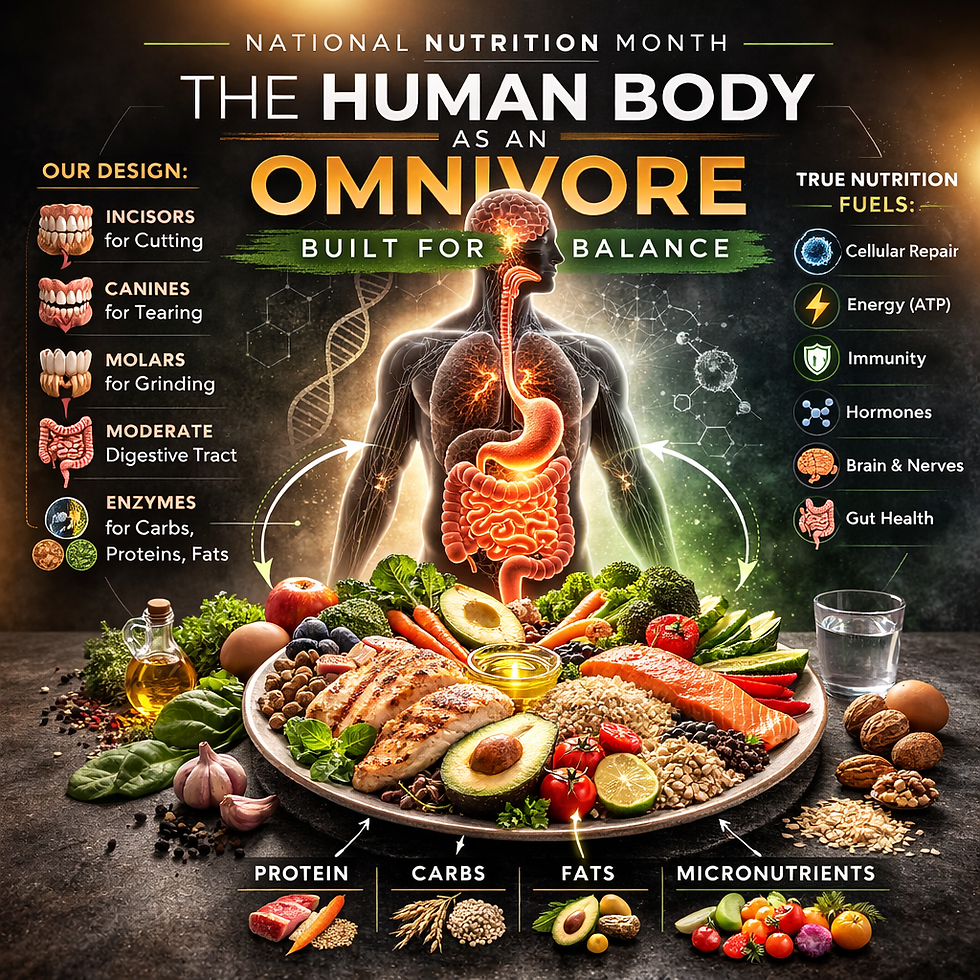
How to Recognize Vitamin & Mineral Deficiencies: A Practical Guide for Nursing Students

Updated: Mar 10

Does Your Body Have a Check Engine Light?
🚨As a matter of fact, it does. We call them signs and symptoms.
Just like a vehicle dashboard warns drivers about engine trouble, the human body sends early warning signals when something is wrong. Many vitamin and mineral deficiencies begin with subtle changes that patients often ignore.
For nursing students and healthcare professionals, recognizing these early clues can prevent serious complications and improve patient outcomes.
How to Recognize Vitamin & Mineral Deficiencies
Why Vitamin & Mineral Deficiencies Matter in Patient Care
Nutrients are essential for nearly every physiological process in the body. When levels drop below normal, patients may experience symptoms affecting:
• Energy production
• Brain function
• Immune response
• Oxygen transport
• Muscle contraction
• Tissue repair
Because symptoms often develop gradually, deficiencies may go unnoticed until they become severe.
Early recognition allows for timely testing, treatment, and patient education.

Common Signs & Symptoms of Nutrient Deficiencies
Neurological Signs
• Fatigue
• Brain fog
• Tingling in hands and feet
• Memory problems
• Mood changes
• Headaches
Skin, Hair & Nail Changes
• Pale skin
• Dry or rough skin
• Brittle nails
• Hair thinning or hair loss
• Slow wound healing
• Easy bruising
Musculoskeletal Symptoms
• Muscle weakness
• Muscle cramps
• Bone pain
• Frequent fractures
• Joint discomfort
Cardiovascular & Blood-Related Symptoms
• Dizziness
• Shortness of breath
• Rapid heartbeat
• Cold hands and feet
• Pale mucous membranes

Symptom Clue Guide:
What Might the Body Be Lacking?
Symptom | Possible Deficiency |
Fatigue | Iron, Vitamin B12, Vitamin D |
Muscle cramps | Magnesium, Calcium, Potassium |
Tingling hands/feet | Vitamin B12, Vitamin B6 |
Poor wound healing | Vitamin C, Zinc |
Hair loss | Iron, Zinc, Protein |
Frequent illness | Vitamin D, Zinc |
Pale skin | Iron, Vitamin B12 |
Bone pain | Vitamin D, Calcium |
This guide helps students connect clinical presentation to possible underlying causes.
How to Confirm a Suspected Deficiency
Healthcare providers may order laboratory testing to confirm deficiencies.
Common tests include:
• Complete Blood Count (CBC)
• Iron Panel and Ferritin
• Vitamin B12 Level
• Vitamin D (25-OH) Level
• Electrolyte Panel
• Magnesium Level
• Zinc Level
• Comprehensive Metabolic Panel
How Patients Can Request Testing
In most cases, patients can access testing through primary healthcare providers.
Typical Process (Canada)
Visit a family physician or nurse practitioner
Describe symptoms clearly
Request nutritional bloodwork if symptoms persist
Provider issues lab requisition
Blood sample collected at diagnostic laboratory
Results reviewed with healthcare provider
Nurses play a key role in advocating for appropriate testing when symptoms suggest deficiencies.

Where Testing Is Performed
Testing may be conducted at:
• Hospitals
• Community diagnostic laboratories
• Outpatient clinics
• Private laboratory services
Understanding Lab Results
When reviewing lab results, healthcare providers consider:
• Reference (normal) ranges
• Mild vs moderate vs severe deficiency
• Units of measurement
• Patient symptoms and medical history
Results slightly outside normal ranges may still be clinically significant if symptoms are present.
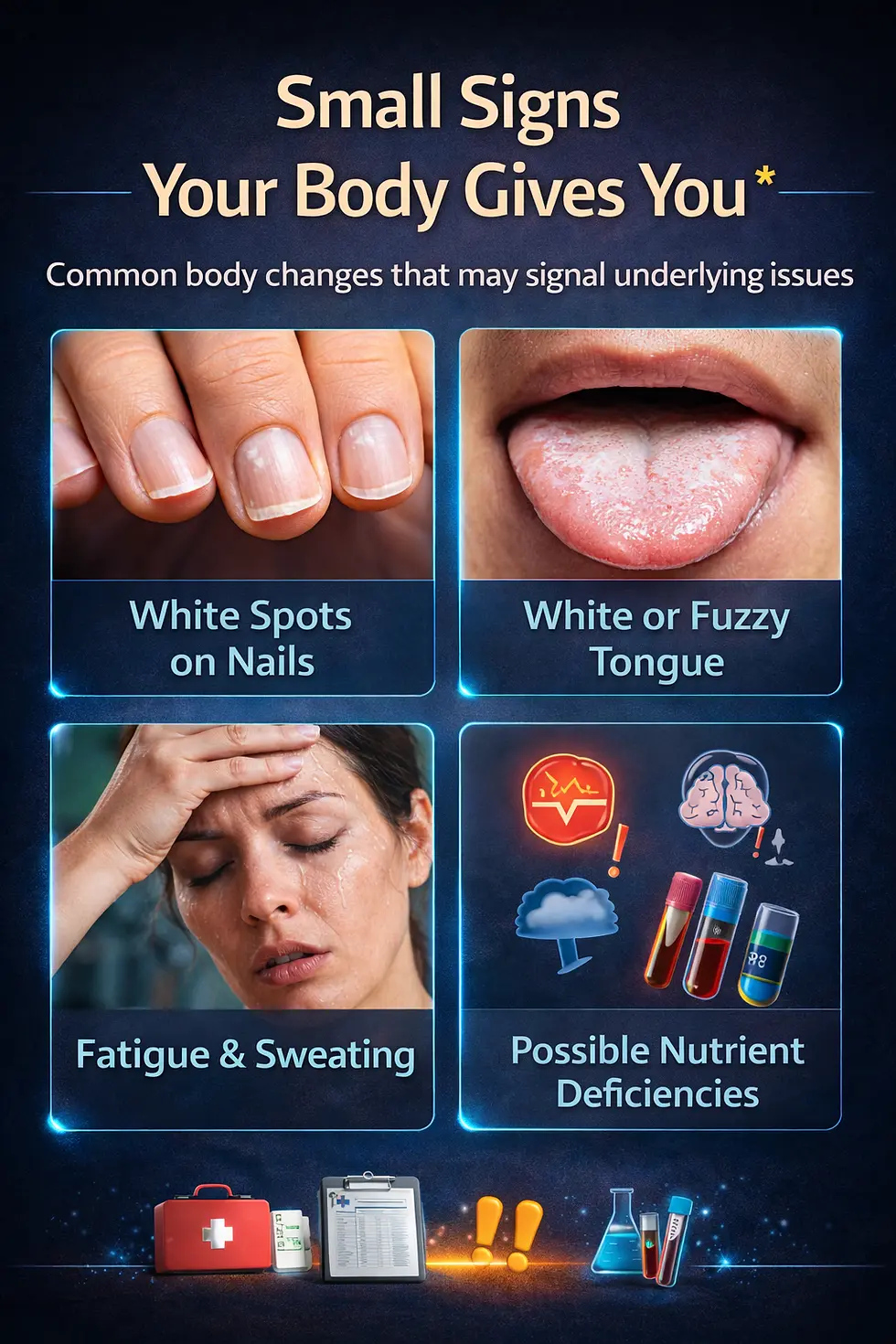
🩺 Clinical Fun Facts: Everyday “Check Engine Lights”
Fun Fact #1 — White Spots on Nails
White spots on nails are known as Leukonychia. They are usually not caused by calcium deficiency, despite common belief.
Most common causes include:
• Minor nail trauma
• Nail biting
• Sports impacts
• Manicure damage
Less common causes:
• Zinc deficiency
• Protein deficiency
• Fungal infections
Clinical Tip: If multiple nails are affected and the patient also has fatigue or hair loss, nutritional deficiencies should be considered.
Fun Fact #2 — Why Does My Tongue Have White Patches or Feel Fuzzy?
A white or fuzzy tongue can occur for several reasons.
Common causes include:
• Bacterial buildup
• Dead cells and debris
• Poor oral hygiene
• Dry mouth
• Dehydration
Possible medical causes:
• Oral Thrush (fungal infection)
• Iron deficiency
• Vitamin B12 deficiency
• Folate deficiency
• Geographic Tongue (harmless inflammatory condition)
Clinical Tip: A persistent white tongue with fatigue or pallor may indicate anemia or vitamin deficiency.
Fun Fact #3 — Why Can Body Odor Become Stronger After a Migraine?
Some individuals notice stronger body odor following migraines.
Possible explanations include:
• Stress hormone surges that activate sweat glands
• Increased activity of apocrine sweat glands producing stronger-smelling sweat
• Release of metabolic byproducts after neurological stress
• Dehydration causing more concentrated sweat
Clinical Tip: Frequent migraines combined with unusual sweating patterns may suggest dehydration, electrolyte imbalance, or metabolic stress.
Home Treatment and Self-Care
Mild deficiencies may improve with lifestyle adjustments.
Helpful strategies include:
• Eating a balanced diet rich in whole foods
• Increasing fruits and vegetables
• Ensuring adequate protein intake
• Staying well hydrated
• Safe sunlight exposure for Vitamin D
• Using supplements if recommended by a healthcare provider
When Deficiencies Become Dangerous
Untreated deficiencies can lead to serious complications such as:
• Severe anemia
• Nerve damage
• Bone demineralization
• Impaired immunity
• Heart rhythm disturbances
• Delayed wound healing
Early detection is critical.
What are common signs of vitamin deficiency?
Common signs include fatigue, pale skin, brittle nails, hair thinning, muscle cramps, frequent illness, and poor wound healing.
How are mineral deficiencies diagnosed?
Mineral deficiencies are diagnosed through blood tests such as CBC, iron panels, vitamin B12 levels, vitamin D tests, electrolyte panels, zinc levels, and magnesium levels.
Can you see signs of nutrient deficiencies?
Yes. Visible signs include pale eyelids, brittle nails, hair loss, dry skin, and changes in the tongue that may indicate vitamin or mineral imbalances.

Case Scenario for Nursing Students
A 68-year-old patient presents with fatigue, pale skin, shortness of breath during exertion, and brittle nails.
Questions:
Which deficiency is most likely?
What diagnostic test would confirm it?
What is the priority nursing action?
Answers & Rationales:
1️⃣ Iron deficiency anemia
Rationale: Fatigue, pallor, and brittle nails are classic signs of reduced oxygen-carrying capacity.
2️⃣ Complete Blood Count and Iron Panel
Rationale: These tests assess hemoglobin levels and iron stores.
3️⃣ Monitor oxygenation and report findings
Rationale: Reduced oxygen delivery can stress cardiovascular and respiratory systems.
Key Takeaways for Clinical Practice
✔ The body shows early warning signs before serious illness develops
✔ Subtle symptoms may indicate nutritional deficiencies
✔ Lab testing confirms suspected deficiencies
✔ Nurses play a critical role in recognition and advocacy
✔ Early intervention improves patient outcomes
Medical & Educational Disclaimer
This article is for educational purposes only and is intended for nursing students and healthcare learners. It does not replace professional medical diagnosis or treatment. Individuals experiencing symptoms should consult a qualified healthcare provider for assessment and appropriate testing.
💡 Ready to Get Certified?
Be prepared. Be confident. Learn First Aid Today & Save a Life Tomorrow with Saving Grace Medical Academy Ltd. Now enrolling: Basic Life Support (BLS) & Standard First Aid CPR-C & AED courses designed for healthcare professionals.
📍 Training for First-Year Nursing Students
Join Saving Grace Medical Academy Ltd. for fully certified, CSA-compliant Standard First Aid CPR-C & AED courses—designed for Alberta’s future healthcare professionals.
Just Remember:
Protect Yourself. Call 911.Don’t Waste Time.

RESOURCES:
Advanced Cardiovascular Life Support - Heart & Stroke Foundation
Basic Life Support BLS- CPR Course 09:00am | Saving Grace Medical
Advanced Cardiovascular Life Support Course | Saving Grace Medical
Nutrition Month 2026 – Registered Dietitians Association of Alberta
Nutrition Month 2026: Nourish to Flourish | Parkland School Division

Author - Saving Grace Medical Academy Ltd
Grace. T
Medical Content Writer