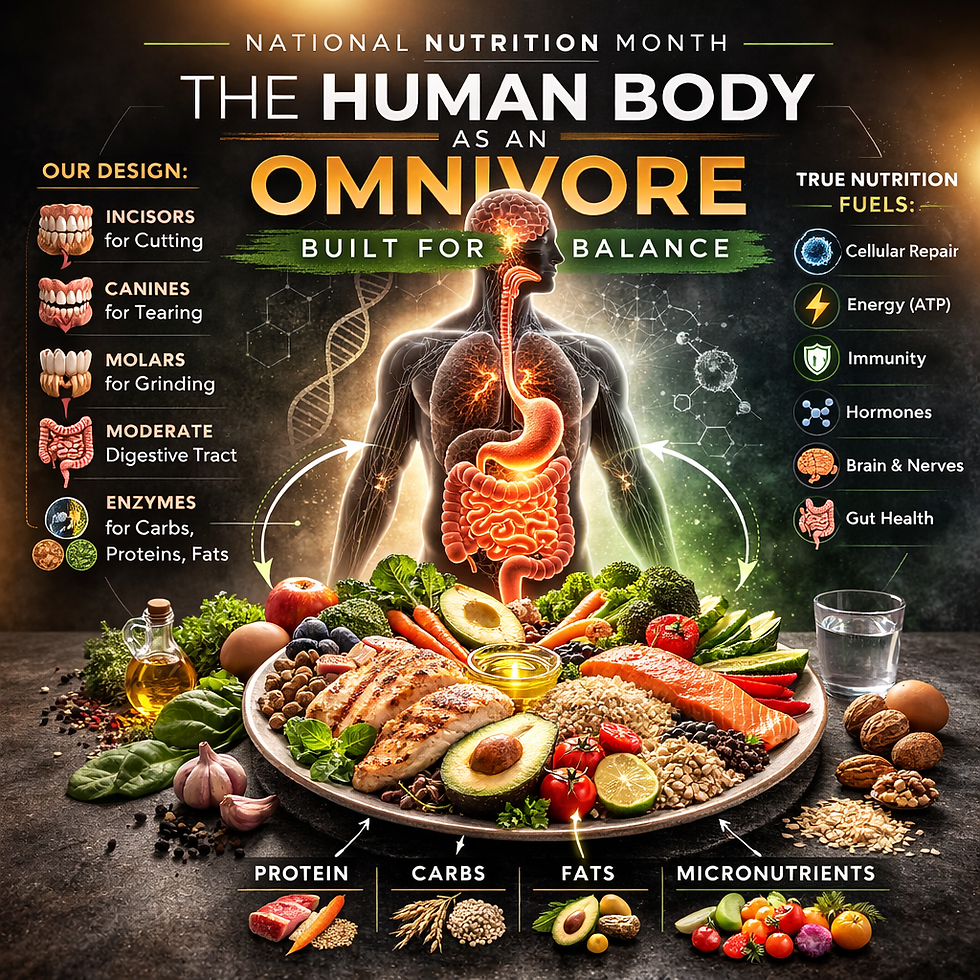
Cholesterol Explained: The Good, The Bad, and Why It Matters for Heart Health


Cholesterol Explained: Your body needs cholesterol to survive.
Cholesterol is one of the most misunderstood substances in the human body. It’s often labeled as “bad,” blamed for heart disease, and avoided in diets—but the truth is far more nuanced.
Your body needs cholesterol to survive.
It plays a critical role in:
Building and maintaining cell membranes
Producing hormones like estrogen and testosterone
Supporting vitamin D production
Maintaining brain function and nerve insulation
In fact, the brain is composed of nearly 60% fat, and cholesterol is a key component of the myelin sheath, which allows nerves to transmit signals efficiently.
Cholesterol itself is not the problem.
👉 Imbalance is.

Good vs Bad Cholesterol: Understanding HDL and LDL
Cholesterol travels through your bloodstream in particles called lipoproteins. The two most important types are:
LDL (Low-Density Lipoprotein) – “The Builder”
Transports cholesterol to cells
Essential for normal body function
However, excess LDL can deposit cholesterol into artery walls
👉 Too much LDL = plaque buildup risk
HDL (High-Density Lipoprotein) – “The Cleaner”
Removes excess cholesterol from the bloodstream
Transports it back to the liver for processing and removal
👉 Higher HDL = protective effect
Simple Clinical Reminder:
LDL = Lousy (leaves plaque behind)
HDL = Healthy (helps clean arteries)
Maintaining a proper balance between these two is critical for cardiovascular health.

Where Cholesterol Comes From: Diet and Lifestyle
Your body produces cholesterol naturally through the liver, but diet and lifestyle significantly influence your levels.
Foods That May Increase LDL (Use in Moderation):
Processed and fried foods
High-fat dairy products
Red and processed meats
Foods high in trans and saturated fats
Foods That Support Healthy Cholesterol Balance:
Avocados 🥑
Nuts and seeds 🌰
Fatty fish like salmon 🐟
Olive oil 🫒
High-fiber foods like oats and vegetables
👉 Important Insight:
Dietary cholesterol alone is not the primary issue—it’s the overall quality of fats, physical activity, and metabolic health that determine risk.

Atherosclerosis: The Silent Process Behind Heart Disease
Atherosclerosis is the gradual buildup of plaque within the arteries.
This process occurs when:
Excess LDL cholesterol accumulates in artery walls
The body responds with inflammation
Plaque forms and hardens over time
Arteries narrow, reducing blood flow
Over time, this can lead to:
Reduced oxygen delivery to the heart
Increased blood pressure
Risk of plaque rupture
If a plaque ruptures, it can form a clot that blocks blood flow completely.
👉 This is what leads to:
Heart attacks
Strokes
The most dangerous part?
Atherosclerosis often develops silently for years with no symptoms.
Why This Is Important
Heart disease remains the leading cause of death among Canadians, and a major contributing factor is uncontrolled cholesterol levels and atherosclerosis.
This matters because:
Prevention starts long before symptoms appear
Cholesterol imbalance is often modifiable through lifestyle
Early awareness can reduce the risk of life-threatening events
For healthcare professionals and students, this knowledge connects directly to real-world outcomes:
Understanding cholesterol helps explain cardiac pathophysiology
Recognizing risk factors improves patient education and prevention strategies
Knowing the progression from plaque buildup to cardiac arrest reinforces the importance of early intervention and monitoring
And most importantly:
👉 When prevention fails, the outcome may require Basic Life Support (BLS).
This is where education transitions from theory to action.

When Prevention Fails: The Link to Cardiac Arrest
If atherosclerosis progresses unchecked:
Coronary arteries become narrowed or blocked
A heart attack may occur
Electrical instability in the heart can develop
This can lead to cardiac arrest
Cardiac arrest means:
No pulse
No effective breathing
Immediate life-threatening emergency
At this stage, survival depends on:
Early recognition
Immediate CPR
Rapid defibrillation (AED use)
👉 Reality Check:
If early warning signs are ignored long enough…
Someone nearby will need to know CPR.

Prevention: Maintaining Healthy Cholesterol Levels
Cholesterol balance is achievable through consistent lifestyle choices:
Choose healthy fats over processed fats
Stay physically active
Maintain a healthy weight
Monitor cholesterol through routine blood work
Reduce smoking and excessive alcohol intake
Manage stress effectively
👉 Key Takeaway:
Cholesterol is not the enemy.
It is essential for life—but only when maintained in balance.
Home Treatment and Self-Care
For individuals looking to improve or maintain healthy cholesterol levels:
Incorporate heart-healthy foods (fiber, omega-3 fatty acids)
Replace saturated fats with unsaturated fats
Engage in at least 150 minutes of moderate exercise weekly
Stay hydrated and maintain consistent sleep patterns
Track dietary habits and make gradual improvements
⚠️ Important:
Lifestyle changes are effective, but individuals with significantly elevated cholesterol or underlying conditions should seek medical evaluation and possible pharmacological support.

Case Scenario
A 52-year-old male presents with fatigue and occasional chest discomfort during physical activity. He has a history of a sedentary lifestyle and a diet high in processed foods. Blood work reveals elevated LDL and low HDL levels.
Question:
What is the most likely underlying process contributing to his symptoms?
A. Acute infection
B. Atherosclerosis
C. Electrolyte imbalance
D. Dehydration
Answer:
Medical & Educational Disclaimer
This article is for educational purposes only and is intended for nursing students and healthcare learners. It does not replace professional medical diagnosis or treatment. Individuals experiencing symptoms should consult a qualified healthcare provider for assessment and appropriate testing.
💡 Ready to Get Certified?
Be prepared. Be confident. Learn First Aid Today & Save a Life Tomorrow with Saving Grace Medical Academy Ltd. Now enrolling: Basic Life Support (BLS) & Standard First Aid CPR-C & AED courses designed for healthcare professionals.
📍 Training for First-Year Nursing Students
Join Saving Grace Medical Academy Ltd. for fully certified, CSA-compliant Standard First Aid CPR-C & AED courses—designed for Alberta’s future healthcare professionals.
Just Remember:
Protect Yourself. Call 911.Don’t Waste Time.

RESOURCES:
Advanced Cardiovascular Life Support - Heart & Stroke Foundation
Basic Life Support BLS- CPR Course 09:00am | Saving Grace Medical
Advanced Cardiovascular Life Support Course | Saving Grace Medical
Nutrition Month 2026 – Registered Dietitians Association of Alberta
Nutrition Month 2026: Nourish to Flourish | Parkland School Division

Author - Saving Grace Medical Academy Ltd
Grace. T
Medical Content Writer
Answer:
B. Atherosclerosis
Rationale:
A (Acute infection): No signs of fever or systemic illness
B (Atherosclerosis): Correct — cholesterol imbalance leads to plaque buildup, reducing blood flow to the heart
C (Electrolyte imbalance): Would present with arrhythmias or neuromuscular symptoms
D (Dehydration): Does not explain chronic chest discomfort with exertion