


Allergic Reactions: What Nursing Students Should Know and How to Help
- Jason T

- Oct 10, 2024
- 4 min read
Updated: Apr 28

🩺 Allergic Reactions: Recognition, Response, and Emergency Care for Nursing Students
As a nursing student, you’re likely to encounter patients experiencing allergic reactions. Do you know how to recognize one quickly? How can you respond in an emergency? And can an allergy become life-threatening?
This guide will walk you through how to identify allergic reactions, understand their causes, and provide immediate care—especially in severe cases like anaphylaxis.
🧠 What is an Allergic Reaction?
An allergic reaction is an immune response to a substance the body mistakenly identifies as harmful. These substances, known as allergens, can include bee venom, pollen, pet dander, foods, or medications.
When exposed to an allergen, the body releases chemicals such as histamines, leading to inflammation and symptoms that can range from mild irritation to life-threatening airway compromise.

💙 Why This Matters in Healthcare
Allergic reactions can escalate rapidly. What begins as mild itching or discomfort can progress to airway obstruction or shock within minutes.
For nursing students and healthcare providers, early recognition and intervention are critical to:
Prevent respiratory failure
Reduce complications
Improve patient outcomes
Your ability to act quickly can be the difference between stabilization and deterioration.
⚠️ Common Allergens
Bee stings
Pollen
Shellfish
Nuts
Pet dander
Certain medications

🔍 Recognizing Mild vs. Severe Allergic Reactions
As a future nurse, recognizing symptoms early is essential.
Mild Symptoms:
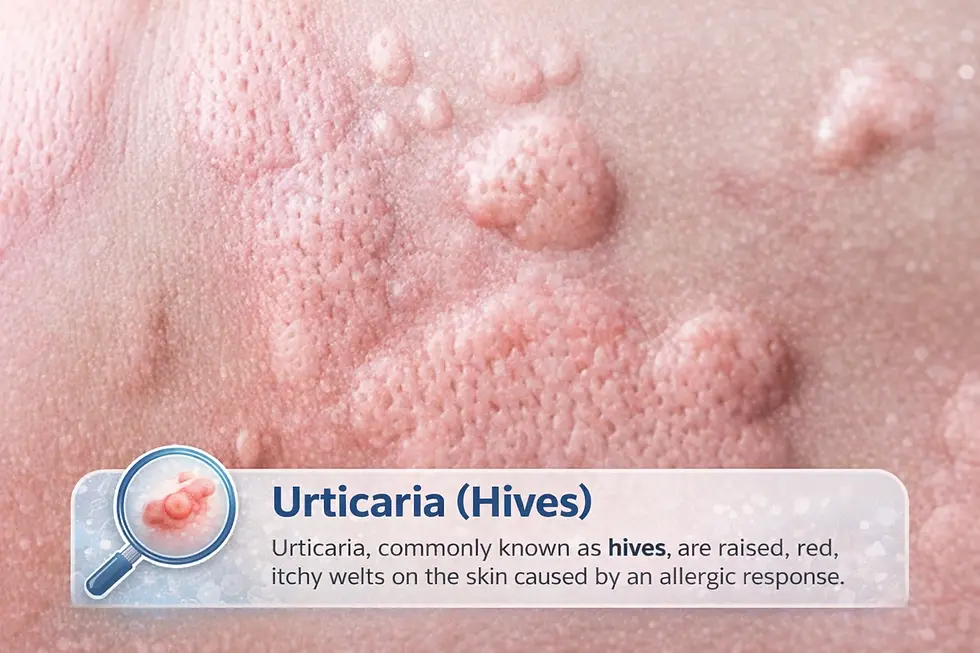
Itchy skin, hives, or rash (👉 Link: HFMD - Hand Foot & Mouth Disease)
Mild swelling
Tightness in the throat or chest
Dizziness or weakness
🚨 Severe Symptoms (Anaphylaxis):
Swelling of the face, lips, tongue, or throat (airway risk)
Difficulty breathing, wheezing, or persistent coughing
Rapid pulse, low blood pressure, or signs of shock
Nausea, vomiting, or loss of consciousness
👉 Anaphylaxis is a medical emergency requiring immediate intervention.
🆘 What to Do if You Encounter an Allergic Reaction
1. Check the Scene and Patient
Ensure safety and assess airway, breathing, and circulation (ABCs).
2. Call 911 Immediately
If symptoms are severe or worsening, activate emergency medical services without delay.
3. Provide Comfort and Reassurance
Anxiety can worsen symptoms. Stay calm and support the patient.
4. Assist with an Epinephrine Auto-Injector (Epi-Pen)
If available, help administer epinephrine.
How to Assist:
Remove the safety cap (“Blue to the sky”)
Press the Orange tip firmly against the outer thigh "You will hear a CLICK!"
Hold for 10 seconds
Remove and safely retain the device
👉 Follow the 5 Rights of Medication Assistance.
5. Monitor and Prepare for Recurrence
Symptoms may return (biphasic reaction). Continuous monitoring is essential until advanced care arrives.
🛡️ Preventing Allergic Reactions
For individuals with known allergies:
Read food labels carefully
Ask about ingredients when dining out
Carry prescribed epinephrine at all times
Consult healthcare providers for management strategies
🌟 Final Thoughts for Nursing Students
Allergic reactions are unpredictable and can escalate quickly. Your ability to recognize early warning signs and respond effectively is a critical skill in both clinical and community settings.
Preparedness builds confidence—and confidence saves lives.
🌟 Continue Your Journey in Care
As you build your knowledge in patient care and emergency response, now is the perfect time to strengthen your life-saving skills.
Explore our First Aid & CPR courses at Saving Grace Medical Academy and gain the confidence to act when every second counts.

🧠 Want to Go Deeper?
Recognizing an allergic reaction is only the first step. Build your clinical judgment and learn how to differentiate, assess, and respond effectively in real-world situations:
What is Hand, Foot & Mouth Disease? – Learn to differentiate infectious rashes from allergic reactions
How to Properly Disinfect a Wound – Understand skin integrity, irritation, and infection vs reaction
Emergency Preparedness & Survival Guide – Know when a situation becomes life-threatening
What to Do Before Paramedics Arrive – Critical early intervention steps in emergencies
Basic Life Support (BLS) Certification – Build life-saving skills for airway and anaphylaxis emergencies
⚠️ Medical & Educational Disclaimer
This educational content was developed by experienced emergency medical instructors at Saving Grace Medical Academy for nursing and healthcare education. It is intended for informational purposes only and should not replace professional medical advice or clinical judgment.
Don't Wait—Be Prepared!
💡 Ready to Get Certified? Its a social event!
Be prepared. Be confident. Learn First Aid Today & Save a Life Tomorrow with Saving Grace Medical Academy Ltd. Now enrolling: Basic Life Support (BLS) & Standard First Aid CPR-C & AED courses designed for healthcare professionals.
📍 Training for First-Year Nursing Students
Join Saving Grace Medical Academy Ltd. for fully certified, CSA-compliant Standard First Aid CPR-C & AED courses—designed for Alberta’s future healthcare professionals.
Just Remember:
Protect Yourself. Call 911.Don’t Waste Time.

RESOURCES:
Advanced Cardiovascular Life Support - Heart & Stroke Foundation
Basic Life Support BLS- CPR Course 09:00am | Saving Grace Medical
Advanced Cardiovascular Life Support Course | Saving Grace Medical
Home | Canadian Society of Allergy and Clinical Immunology | CSACI
Canadian Allergy, Asthma, and Immunology Foundation (allergyfoundation.ca)
Home | Canadian Society of Allergy and Clinical Immunology | CSACI

Author - Saving Grace Medical Academy Ltd
Jason T
Retired EMT - Heart & Stroke Foundation Senior Instructor


